
Turning post-surgery motivation into habits that last
MyHabeats
WORK
Lauren Kelly
Turning post-surgery motivation into habits that last
SNAPSHOT
Bariatric surgery reshapes the stomach to help people lose weight and improve their health. But the surgery is only around 30% of the work, the rest is behaviour change. Patients need to build new eating habits that last, which is where the MyHabeats app comes in.
The problem: patients were motivated at first, but engagement dropped after three weeks. MyHabeats asked us to figure out why people stop doing the things they genuinely want to do.
We ran three Behaviour Sprints to understand when habits form, when they break, and what makes them stick. The insights shifted MyHabeats' strategy from focusing on app features to supporting the real moments where eating habits are shaped: in kitchens, with family, during emotional triggers.
90-day retention improved because the app started working with the context, not against it.
MyHabeats
Health & Product Behaviour Sprint

Patients loved the MyHabeats app, for about three weeks. Then engagement dropped, and old eating habits quietly returned.
That pattern haunts post-bariatric care. Patients leave hospital motivated and supported. They track meals. They follow the plan. Then life resumes. And people stop using the app around the same time they go back to their old eating habits. Which for bariatric patients is not only a failure, but potentially damaging to their new bodies and health.
MyHabeats needed to that gap by understanding why motivated people stop doing the things they genuinely want to do.
As Katie, MyHabeats CEO puts it:
“The surgery is only around 30% of the work. The rest is behaviour change so we need to get it right.”
“Genuinely blew us away.
Full of ‘why didn’t we think of that?’ moments.”
Katie Milioni
CEO, MyHabeats
The work
We ran three Behaviour Sprints, each focused on a different pathway for change.
Start: what needs to be true before surgery for new habits to stick afterwards
Evolve: how small, realistic changes compound over time
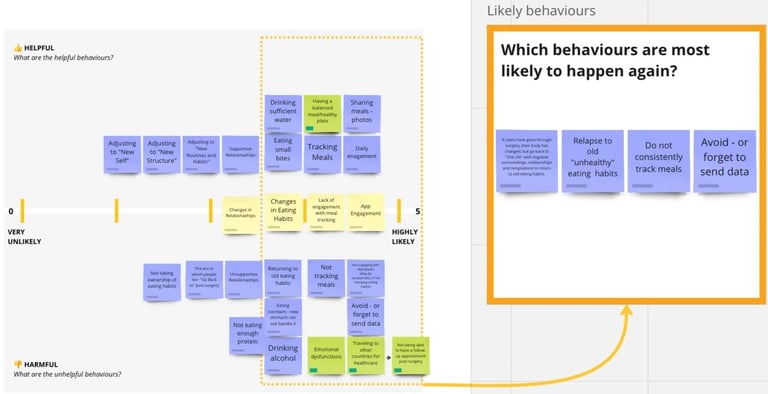
Stop: what triggers the return to old patterns, and how to interrupt them
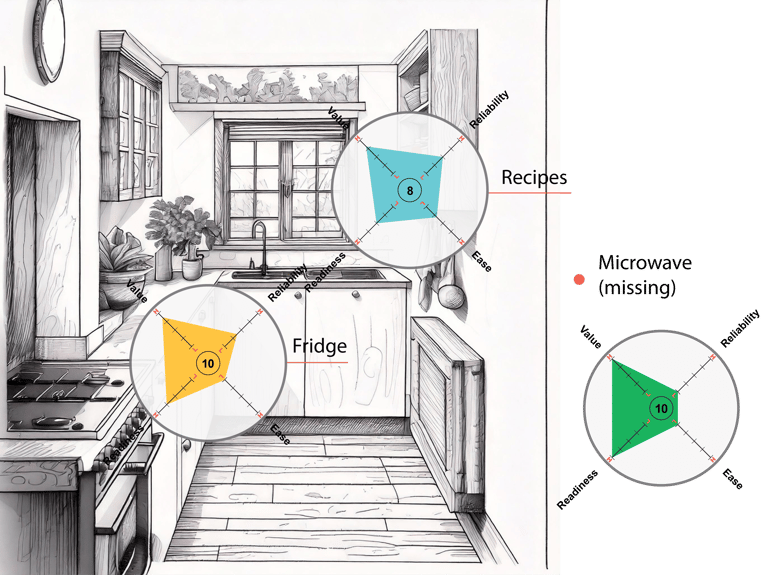
Each sprint aimed at the same thing: get specific about the moment behaviour is shaped, and design for that reality. Not the clinic. Not the app’s home screen. The real setting where choices happen, in people's home.
What changed
Across the three sprints, the same pattern kept showing up. The most effective interventions connected to context: the kitchen setup, family dynamics, and the emotional role food played in someone’s day.
That shifted MyHabeats’ focus:
Earlier engagement mattered more than expected, especially pre-surgery
The home environment needed deliberate support, not just education
Community and clinician feedback worked best when tied to real moments, not generic reminders
The lift in 90-day retention that followed did not come from one feature. It came from changing what the app was competing against: familiar environments and long-held habits.
View more work
© 2026, BehaviourStudio All rights reserved. Behaviour Thinking is a registered trademark of BehaviourStudio.